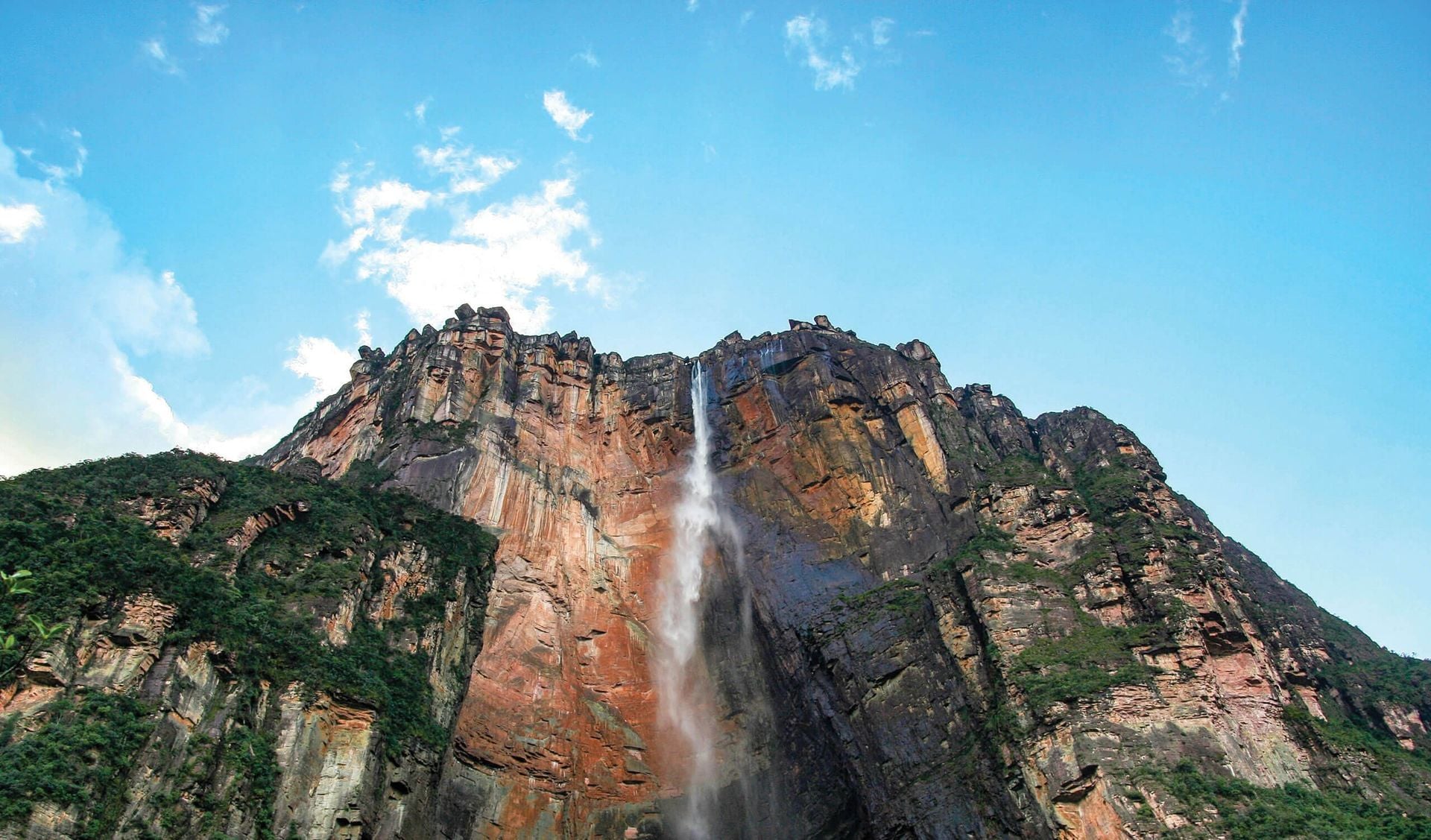
A tall waterfall cascades down a steep, rocky cliff covered with patches of greenery under a clear blue sky—an unforgettable sight for those exploring the Best Time to Visit Venezuela.
For an incredible experience and memories that last...

Best Time to Visit Venezuela

When Is the Best Time to Visit Venezuela?

Quick answer: The best time to visit Venezuela is the dry season, December to April — warm, sunny, and low-humidity weather ideal for the Caribbean coast, the Los Roques islands, the Andes, and trekking the Gran Sabana. There is one big exception: to see Angel Falls, the world’s tallest waterfall, at full flow, come in the rainy season (roughly June to November), when the rivers are high enough for boats to reach it. Browse our Venezuela tours for ideas.

Is it a good time to visit right now? Venezuela sits close to the Equator, so it has no summer or winter and temperatures barely change through the year — altitude sets the warmth (hot on the coast, milder in high-up Caracas and the Andes). The year divides into a dry season (December–April) and a rainy season (May–November), and that rainfall is what decides the best time to travel.

Venezuela Weather Month by Month

Temperatures stay fairly constant (Caracas hovers around 79–82°F / 26–28°C by day; the coast is hotter, the Andes cooler). What changes is the rain — and, with it, the flow of Angel Falls:

Month Caracas (avg high) Rainfall Best For
January79°F / 26°CDry★ Beaches, Los Roques, Gran Sabana
February80°F / 27°CDry★ Carnival; dry-season travel
March81°F / 27°CDry★ Beaches, Andes, trekking
April82°F / 28°CDry ending★ Good; end of the dry season
May82°F / 28°CRains beginGreen; showers building
June80°F / 27°CWet◆ Angel Falls filling
July80°F / 27°CWet◆ Angel Falls strong; river access
August81°F / 27°CWet◆ Angel Falls near peak flow
September81°F / 27°CWettest◆ Angel Falls full and thundering
October80°F / 27°CWet◆ Angel Falls; lush landscapes
November79°F / 26°CRains easingTransition; Angel Falls still good
December79°F / 26°CDry begins★ Dry season returns; festive

★ = dry season, best for beaches, the Andes, and trekking · ◆ = rainy season, best for Angel Falls at full flow. See our full Venezuela weather guide for detail.

The Best Time to Visit Venezuela by Region

  • Caribbean Coast & Los Roques — the dry season December–April is ideal for the beaches and the turquoise islands of the Los Roques archipelago.
  • Angel Falls & Canaima — best in the rainy season (June–November), when the world’s tallest waterfall runs at full flow and rivers are high enough for boats to reach its base.
  • The Andes (Mérida) — clearest and driest December–March for the mountains, páramo landscapes, and the cable car.
  • Gran Sabana & Mount Roraima — the dry season December–April is best for trekking the tepuis and crossing the savannah’s rivers.
  • Los Llanos (wildlife) — the dry season December–April concentrates capybaras, caimans, anacondas, and birds around shrinking waterholes, making them easier to spot.

Planning a trip? Our things to do in Venezuela guide can help you match the season to what you want to see.

“With its close proximity to the equator, Venezuela has few fluctuations throughout the year when it comes to temperatures. With only slight temperature variations, you’re sure to have a wonderful trip no matter the time you choose. The largest factor with seasons is rain levels and cultural festivals. The dry season (November - April) is the most recommended time to travel. These months are warm and allow for the best hiking, sightseeing, and general outdoor activities.”

Jon Hillstead

Venezuela Travel Expert

Visiting Venezuela in the Dry Season: November to April

Stunning sunset on beautiful beach in Venezuela during Dry Season

Dry Season in Venezuela (November - April)

While warm temperatures remain relatively consistent throughout the year, the dry season is the best time of the year to visit Venezuela. From the first day of November to April, the country experiences the least amount of rainfall, blue skies, and sunshine. Travelers are able to spend the days during this period hiking, trekking, sightseeing, and enjoying plenty of other outdoor activities.

Venezuela’s weather is different in the various regions of the country. There are four main regions: the highlands, the lowlands, the central plain, and the Guyana region which includes the lush Amazon Rainforest. Additionally, the entire country sits just north of the Equator. Therefore, there are few major fluctuations in temperatures and weather throughout the year. The climate remains tropical year-round. For the best travel experience, read on for the unique qualities of each season.

From September to November, Venezuela enjoys its dry season. Known for its clear skies, warm temperatures, and dry climate, the dry season is often considered the most comfortable time of the year to visit. During this time outdoor electricity is a must, with treks easily accessible and pleasant for hiking and wildlife viewing.

Caracas

Venezuela Weather in the Dry Season

29ᵒ C / 85ᵒ F

Merida

Venezuela Weather in the Dry Season

31ᵒ C / 88ᵒ F

Angel Falls

Venezuela Weather in the Dry Season

26ᵒ C / 79ᵒ F

Venezuela Weather in the Dry Season

During the dry season, Venezuela’s weather is warm and dry. In Caracas in November, expect highs of 79F / 26C and lows of 68F / 20C. There is still some occasional rainfall, but it is not nearly as much as during the wet season. By April, Caracas reaches highs of 81F / 27C and lows of 70F / 21C.

Things to Do in Venezuela during the Dry Season

The dry season in Venezuela offers travelers plenty of things to do and see. Particularly during this time, the best thing to do is hiking. With numerous national parks, impressive natural wonders and a gorgeous coastline along the Caribbean Sea, travelers will have plenty of opportunities to enjoy the great outdoors. At this time in the year, the climate of Venezuela is most enjoyable. With decreased rain levels, precipitation and humidity, travelers can explore the diverse regions of Venezuela in comfort. Trek Mount Roraima or visit Canaima National Park’s various treks, waterfalls, and mountains. A visit to the Amazon or Los Llanos, when decreased water levels allow for optimal wildlife viewing, is also a must.

Visiting Venezuela in the Rainy Season: May to November

distant view at Angel Falls during Wet Season

Venezuela Weather in the Rainy Season

From May to November, Venezuela experiences its rainy season. Mornings are full of sunshine and afternoons experience increased downpours. Due to the rainfall, the climate becomes a bit more humid. Keep in mind that though there are increased downpours, they usually occur once throughout the day and for a short period of time. For some of Venezuela's natural wonders, like their many waterfalls, this is a fantastic time to visit as water levels will be highest in the year.

The weather during the rainy season consists of short, heavy bursts of rainfall and consistent humidity.

Caracas

Venezuela Weather in the Rainy Season

28ᵒ C / 82ᵒ F

Merida

Venezuela Weather in the Rainy Season

28ᵒ C / 83ᵒ F

Angel Falls

Venezuela Weather in the Rainy Season

25ᵒ C / 77ᵒ F

Things to Do in Venezuela in the Rainy Season

The best things to do during the Rainy season are visiting the remarkable waterfalls and rainforests of Venezuela. With the highest precipitation and water levels of the year, these areas are booming with activity. During the rainy season, Angel Falls, the tallest waterfall in the world, is at its most impressive state, with the highest water levels in the year. Visitors can also enjoy the other natural wonders of Canaima National Park, from the various falls and unique tepuis mountain ranges. In the South, Venezuela is consumed by the lush and biodiverse Amazon Rainforest. Known for its year-round rain and tropical environment, a visit during the rainy season will differentiate little than the dry season.

When to Visit Venezuela: Common Questions

The best time to visit Venezuela is the dry season, December to April, with warm, sunny, low-humidity weather ideal for the Caribbean coast, Los Roques, the Andes, and trekking. The main exception is Angel Falls, which is best in the rainy season (June–November) when it runs at full flow.

The rainy season, roughly June to November, is the best time to see Angel Falls. That is when the world's tallest waterfall carries the most water and, crucially, when the rivers through Canaima are high enough for the boats that carry visitors to its base. In the peak of the dry season the falls can shrink to a thin ribbon and river access becomes difficult.

Venezuela's dry season runs from about December to April, bringing warm, sunny weather and lower humidity. It is the most comfortable time for most of the country — the coast, the islands, the Andes, and the Gran Sabana — and the best season for wildlife-watching in Los Llanos.

The rainy season lasts from roughly May to November, with the heaviest rain around June to September. Rain often comes as afternoon downpours rather than all-day rain, the landscapes turn lush and green, and — most importantly for visitors — it is the season when Angel Falls is at its most spectacular.

Temperatures are warm and steady year-round because Venezuela lies near the Equator, but altitude makes a big difference. The Caribbean coast is hot and humid; Caracas, higher up, is milder at around 79–82°F / 26–28°C; and the Andes around Mérida are genuinely cool, with cold nights at altitude.

Venezuela does not have summer or winter — being near the Equator, it has a dry season (December–April) and a rainy season (May–November) instead. Temperatures stay much the same all year, so the question is really whether it is currently the dry or the wet half of the year.

The dry season, December to April, is best for the beaches and the Los Roques archipelago — sunny skies, calm seas, and clear water for snorkelling and diving. The islands are warm year-round, but the dry months offer the most reliable beach weather.

The dry season, December to April, is the best time to trek the Gran Sabana and climb Mount Roraima, when trails are firmer, rivers are easier to cross, and the tepui summits are more likely to be clear. The savannah is still green from the preceding rains early in the dry season.

South America Travel Guide PDF Cover Page.
Download your free

South America Travel Guide

Download our FREE South America Travel Guide and get inspired to explore to South America. Browse through 26 pages of travel planning tips and ideas – a great resource for planning your dream vacation.
  • Colorful maps and images
  • Unique hotels within South America
  • Inspiration for cruises, remote lodges and trains
  • Wine, golf and adventure ideas
  • 24 top tours of South America
